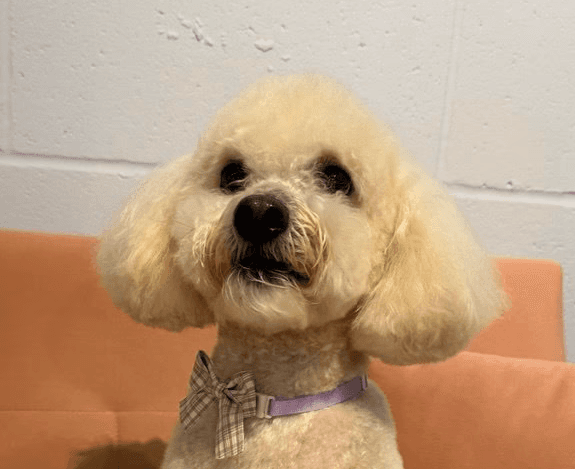
Understanding the Bichon Frisé Coat
The Bichon Frisé has a double coat: a soft, dense undercoat and a coarser, curly outer coat that grows continuously and doesn't shed in the traditional sense. Instead, shed hairs get trapped in the coat — which dramatically reduces household fur but significantly increases the risk of matting if the coat isn't brushed regularly.
The Classic Bichon Cut
The traditional Bichon look — a rounded, fluffy head and body with an even, cloud-like silhouette — is achieved by carefully scissoring the coat to an even length and then rounding the face. This style is labour-intensive to maintain but unmistakably beautiful. Most owners opt for a slightly shorter version for practicality while keeping the characteristic round head shape.
Alternative Styles
- Puppy Cut: Short, even length all over — practical and adorable
- Kennel Cut: Even shorter for maximum ease
- Show Cut: The full traditional Bichon look — reserved for showing or dedicated owners willing to invest heavily in maintenance
How Often Does a Bichon Need Professional Grooming?
Every 4–6 weeks without exception. The continuously growing coat mats quickly, especially behind the ears, in the armpits and around the face. Leaving it longer than 6 weeks almost always results in mat formation that requires more time — and more discomfort — to resolve.
Home Care Between Grooms
Daily brushing is non-negotiable for Bichons. Use a pin brush followed by a metal comb, working section by section. Pay particular attention to:
- The area behind the ears — mats form here fastest
- The armpits and groin — friction areas prone to tangling
- Around the eyes — tear staining is common in Bichons; gentle daily cleaning prevents staining from setting
Tear staining: The reddish-brown staining under Bichon eyes is caused by porphyrins in tears. Regular cleaning with a damp cloth and appropriate eye wipes reduces staining. Severe staining should be discussed with your vet, as it can indicate a health issue.
Ear Care for Bichons
Bichons are prone to ear infections because hair grows inside the ear canal — trapping wax and moisture. Many groomers routinely remove this ear hair during grooming appointments (though this practice is debated). Regular ear cleaning is essential. If your Bichon is shaking their head, scratching their ears or there's an unusual smell, see your vet before your next groom. See the full list of signs your dog needs grooming.